Thinking about buying or selling a waterfront home in Puget Sound, or timing a move in Port Ludlow? You are not alone. With rates higher than a few years ago, shifting inventory, and unique shoreline rules, it pays to understand how this micro-market really works. In this guide, you will learn what is shaping demand, what to watch in Port Ludlow, and practical steps to move with confidence. Let’s dive in.
What is moving Puget Sound waterfront
Interest rates and financing
Mortgage rates rose from the ultra-low environment of 2020–2021 and have remained elevated through mid‑2024, which reduces purchasing power for financed buyers. You can track weekly trends on the Freddie Mac Primary Mortgage Market Survey. Waterfront buyers often use cash or jumbo loans, but a meaningful share still finance purchases, which can slow activity in non-luxury tiers.
Inventory and supply constraints
Waterfront inventory is inherently limited and highly varied by shore type, lot size, and improvements. Regional markets loosened after 2021, yet waterfront remained tighter than general housing due to limited developable parcels and regulatory barriers. Monthly stats from the Northwest Multiple Listing Service are useful for a current view of supply.
Buyer demand and seasonality
Core waterfront buyers include retirees or near‑retirees, second‑home owners, lifestyle buyers, and remote workers. Seasonal patterns are pronounced, with more showings and listings in spring and summer. Research on buyer trends from the National Association of Realtors highlights how second‑home and remote work preferences influence timing.
Remote work and migration
Wealth from Seattle’s professional sectors and remote-work flexibility continue to support amenity markets across Puget Sound. Smaller employment bases in counties like Jefferson mean fewer local buyers compared with King County, so out‑of‑area demand matters.
Port Ludlow micro‑market snapshot
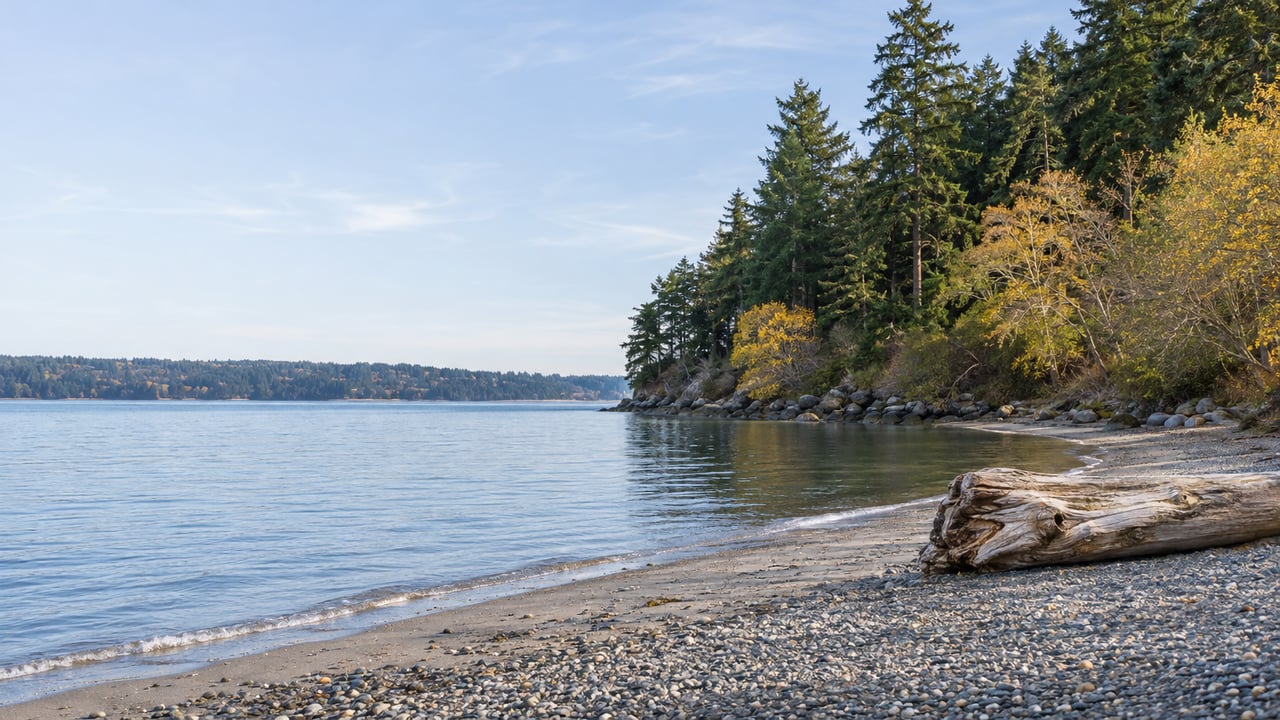
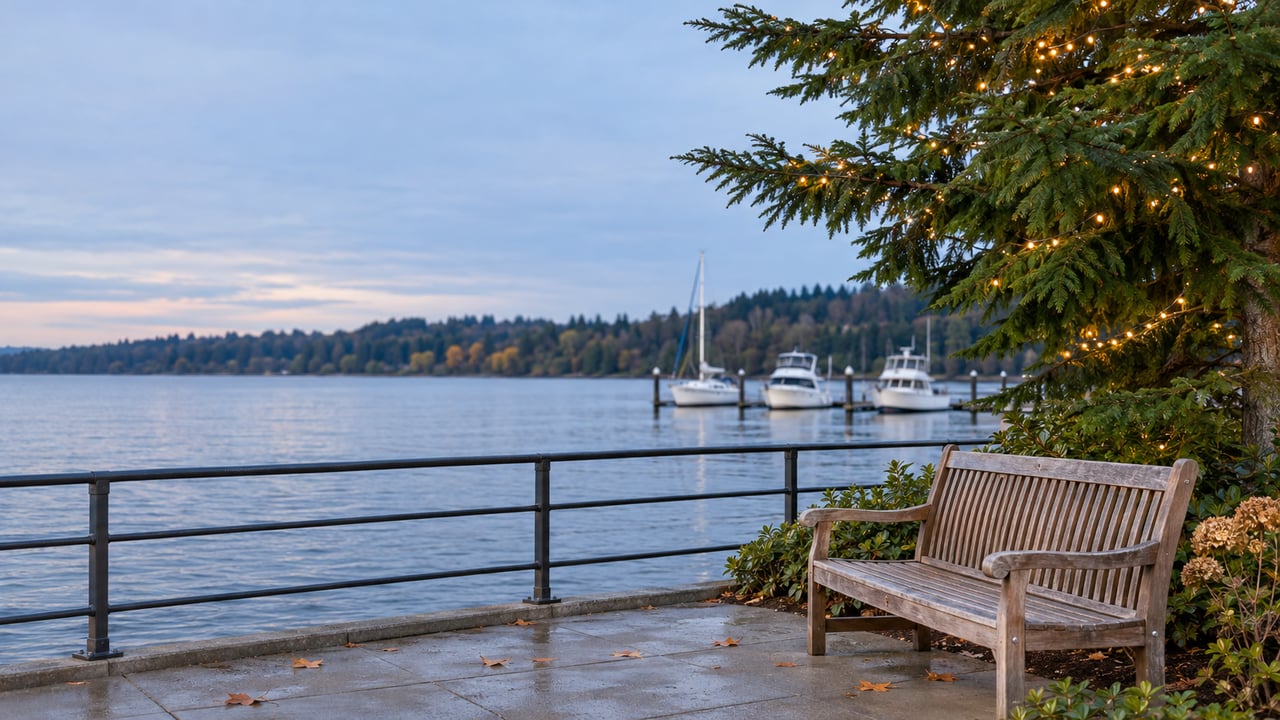
Port Ludlow is a planned waterfront community on the eastern Olympic Peninsula with a marina, golf and resort amenities, and a mix of single‑family homes, condos, and undeveloped shoreline parcels. Many properties use wells and on‑site septic systems rather than municipal sewer. The buyer pool blends active retirees, second‑home owners from Puget Sound metros, and boaters who prize moorage and protected waters.
Activity is seasonal, with the most traffic in spring and summer. Because Port Ludlow is a low‑volume market, a few sales can shift median prices. Price tiers vary widely, from modest cottages and condos to custom estates, and luxury listings can be more resilient to rate shifts due to higher cash participation.
Value drivers to watch
Marina and moorage access
Proximity to moorage and marina services is a key value driver. Details like slip size, depth, and community access influence pricing and days on market. You can learn more about local amenities through the Resort at Port Ludlow.
Access and amenities
Commute options to ferries and Port Townsend, along with community offerings like golf and club services, expand the buyer pool. Properties that combine water access with convenient services typically command stronger price per square foot.
Site utilities and systems
Many homes rely on private wells and on‑site septic. System capacity, age, and documented maintenance matter for value and insurability. Jefferson County Public Health regulates septic permitting and inspections; start with Jefferson County Public Health for local requirements.
Permits, risks, and insurance to plan for
Shoreline regulations
Waterfront work is regulated by Washington’s Shoreline Management Act and local shoreline master programs. Improvements like bulkheads, docks, and major remodels often require permits. Review the Washington Department of Ecology’s Shoreline Management Program for the framework and terminology.
Flood, sea level, and erosion
Puget Sound shorelines can face flood exposure, storm surge, and bluff erosion, depending on the site. Properties in special flood hazard areas may require flood insurance and lender review. Check the FEMA Flood Map Service Center for zone determinations and elevation data.
Septic, wells, and utilities
Septic and well performance affect approvals and long‑term costs. Get recent pumping records, as‑built drawings, and well test results, and confirm permits for any system upgrades. Jefferson County Public Health provides permitting guidance and inspection pathways at jeffersoncountypublichealth.org.
Docks, bulkheads, and moorage
Docks, boathouses, and shoreline armoring often require local and state approvals, and sometimes federal permits for work affecting tidal areas. Unpermitted structures can lead to costly remediation or limits on use. Always verify records before closing.
Buyer strategies that work now
- Get your financing game plan early. If you need a jumbo or non‑conforming loan, confirm lender comfort with waterfront collateral and septic/well properties.
- Shop insurance before you offer. Ask for preliminary homeowner and flood quotes and review coverage limits and exclusions.
- Bring the right experts. Consider a shoreline specialist or geotechnical engineer for bluffs or armoring, plus septic and well inspections and a flood elevation certificate if applicable.
- Use smart contingencies. Include inspections, insurance approval, and permit verification for docks, bulkheads, and shoreline work.
- Time your search. Late winter and early spring can catch fresh listings before the summer rush, while summer brings maximum selection and visibility.
Seller strategies tailored to Port Ludlow
- Price with precision. Use hyper‑local comps and factor seasonality. In a low‑volume market, staged pricing and careful timing can reduce days on market.
- Lead with documentation. Provide septic records, well data, shoreline permits, and any flood elevation information upfront to reduce friction.
- Make targeted fixes. Address septic items, ensure docks and bulkheads are permitted and maintained, and update visible systems like roofing and windows if cost‑effective.
- Market the lifestyle. Highlight moorage details, community access, view corridors, and proximity to ferries and Port Townsend. Professional photography and video that show approach, access, and water orientation are essential.
Timing the market in Port Ludlow
Spring and summer typically draw more out‑of‑area buyers, which can help unique properties shine. Off‑peak months can favor buyers seeking value or sellers aiming for a quicker close with competitive pricing. Track monthly indicators through the Northwest Multiple Listing Service and align your plan with your personal timeline and goals.
How we help
Waterfront requires specialized knowledge and exceptional presentation. With deep experience across Puget Sound and a focus on Port Ludlow second‑home and lifestyle moves, our boutique practice pairs local expertise with global marketing reach. For sellers, that means strategic pricing, staging, professional media, and international distribution designed to maximize exposure. For buyers, it means patient, detail‑driven representation that protects you from surprises and helps you secure the right property at the right terms.
Ready to talk through your plan or timing? Connect with Lori DeVore for tailored guidance and a complimentary home valuation.
FAQs
How do higher mortgage rates affect Port Ludlow waterfront buyers?
- Elevated rates reduce financed purchasing power, so confirm jumbo or non‑conforming options early and compare with cash reserves using the Freddie Mac PMMS as a rate reference.
What is the best time to list a Port Ludlow waterfront home?
- Spring and summer usually bring more showings from out‑of‑area buyers, while off‑peak months can trade exposure for speed if you price competitively.
What inspections are critical for Puget Sound waterfront purchases?
- Consider shoreline or geotechnical review, septic inspection and records, well testing, and a flood elevation certificate if the property is in a mapped flood zone using the FEMA Map Service Center.
Do I need flood insurance for a Port Ludlow waterfront property?
- If the home is in a special flood hazard area, lenders typically require coverage; verify the zone and elevation on the FEMA Flood Map Service Center and obtain early quotes.
What permits affect docks and bulkheads on Puget Sound homes?
- Shoreline improvements often require local and state approvals under the Washington Shoreline Management Program; always verify existing permits and conditions with Jefferson County before closing.