If you already own in the South Sound, adding a Seattle condo can sound either smart or excessive. The right answer usually comes down to how you actually live, how often you would use an in-city base, and whether the numbers still feel comfortable after dues, parking, and reserves are part of the picture. If you are weighing convenience against cost, this guide will help you think it through clearly. Let’s dive in.
Why a Seattle condo appeals
For many South Sound owners, the biggest draw is simple: access. Seattle’s rebuilt central waterfront now offers a park promenade, Overlook Walk, rebuilt pier space, improved east-west connections, and about 20 acres of new public space with direct access to Pike Place Market, Pioneer Square, and Colman Dock.
That matters if you want an easy place to stay for dinner downtown, a game, a ferry connection, or a few nights in the city without maintaining a larger home. A condo can give you that urban base in a way that feels practical and low-friction.
Transit can strengthen the case
Sound Transit has made Seattle more usable as a regional hub. The 2 Line now spans 63 miles and 50 stations, linking Bellevue and the Eastside to Seattle with service about every eight minutes, while Sounder still provides weekday peak service on the S Line between Seattle and Lakewood or Tacoma and on the N Line between Seattle and Everett.
If you live in the South Sound, that can make a condo more than a luxury purchase. It can become a useful landing spot for city nights, workdays, events, and occasional overnights, especially when you want more predictability than a long drive offers.
When adding a Seattle condo makes sense
A second property usually works best when the benefit is easy to name and easy to repeat. If you would use the condo often enough, the convenience may justify the cost.
Here are a few situations where it can make sense:
- You regularly attend events, dinners, or meetings in Seattle
- You want easier access to the waterfront, ferry terminal, or downtown amenities
- You value a lock-and-leave property over maintaining another detached home
- You want a Seattle base for overnight stays without relying on hotels
- You split time between South Sound living and city access
The key is honesty about frequency. A condo that gets steady use is very different from one that sounds appealing but sits empty most of the month.
Seattle condo options vary by neighborhood
Seattle’s condo market is highly neighborhood-specific, so your experience will depend a lot on where you buy. Downtown Seattle currently shows 376 condos for sale with a median listing price of $585,000, a Walk Score of 98, and about 125,193 jobs.
Belltown shows 149 condos for sale at a median listing price of $529,000. South Lake Union posted a March 2026 median sale price of $420,000, while Capitol Hill’s condo market reports a Walk Score of 93, a typical market time of 44 days, and about one offer on average.
How to think about neighborhood fit
In broad terms, you can think of Seattle condo choices in three common patterns. Downtown high-rise and mid-rise buildings usually suit buyers who want the most walkable urban base and direct access to major amenities.
Belltown and South Lake Union often appeal to buyers looking for central locations, smaller footprints, or newer-feeling options. Capitol Hill can offer a more neighborhood-oriented feel while still keeping strong walkability.
Because Seattle’s citywide median sale price was $861,000 over the last three months ending April 2026, with homes selling in about 11 days on average, condos can be a more accessible entry point into a Seattle base than a single-family home. Still, premium buildings and prime locations can price well above neighborhood medians.
Lock-and-leave is a real advantage
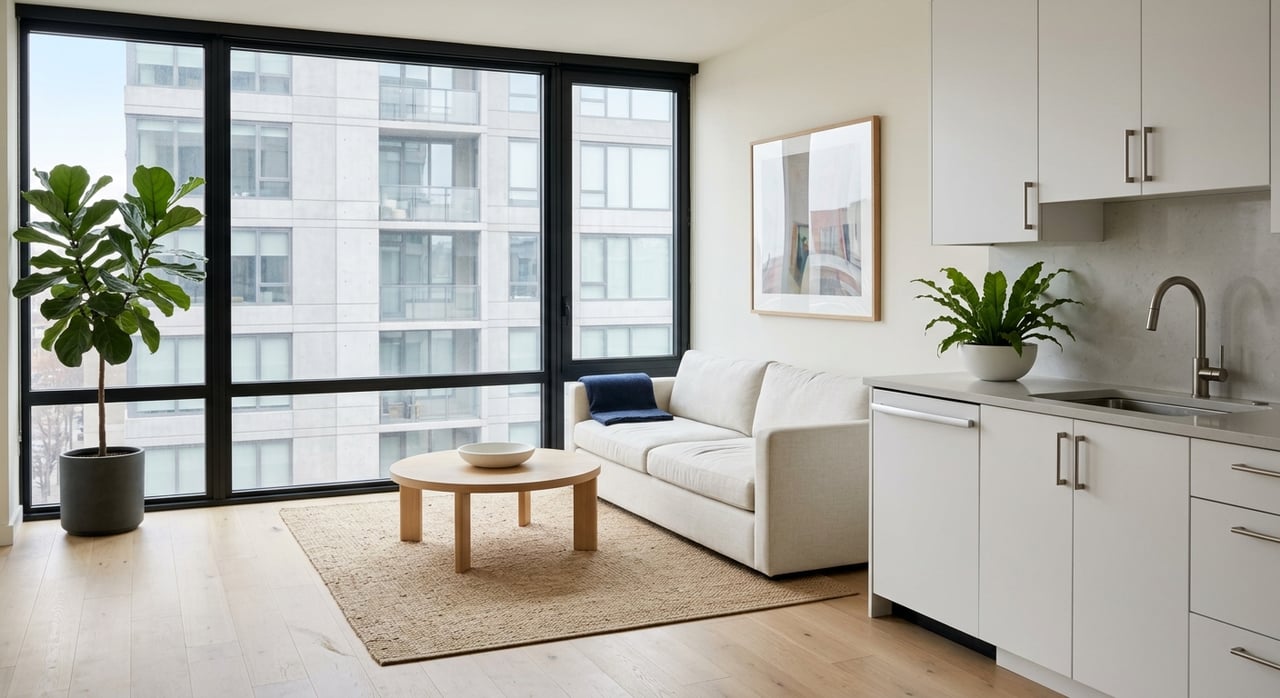
One of the strongest reasons to add a condo is the maintenance structure. For many owners, a condo is attractive because it can reduce the amount of hands-on upkeep compared with a detached second home.
HOA dues are usually paid separately from the mortgage, and those dues often support shared maintenance and building services. That can be a meaningful benefit if your goal is convenience, simplicity, and less day-to-day property management.
The tradeoff is building quality
The same structure that makes a condo easier to maintain also makes the building itself a critical part of the decision. You are not just buying your unit. You are also buying into the association’s financial health, reserve planning, and maintenance discipline.
In Washington, resale documents must include reserve-study information. If there is no current reserve study, the law requires a warning that insufficient reserves may lead to a special assessment for major maintenance or replacement of common elements.
Budgeting needs to come first
Before you fall in love with a view, a floor plan, or a location, test the full carrying cost. For a second property, that is one of the most important conversations you can have.
The full monthly cost can include:
- Principal and interest
- Property taxes
- Homeowner’s insurance
- Supplementary insurance when relevant
- HOA dues
- Parking costs if separate
- Storage costs if separate
HOA dues alone can range from a few hundred dollars a month to more than $1,000. That is why the monthly math should lead the process, not follow it.
Rates still affect the decision
Financing costs remain a major factor in whether a second home feels comfortable. Freddie Mac reported a 30-year fixed-rate average of 6.48% as of June 4, 2026.
Since this would be an added property rather than a replacement home, it helps to test multiple scenarios with your lender, CPA, and financial planner. Down payment, interest rate, taxes, dues, and expected usage can all change how wise the purchase feels over time.
Due diligence matters more with condos
With a condo, due diligence is not just about the unit. It is also about timing, documents, and understanding what the association is telling you.
In Washington, the resale certificate includes the association’s current reserve study, if any, along with other items such as insurance and litigation information. The association must furnish the resale certificate within 10 days after request.
Your purchase contract can remain voidable until the resale certificate is delivered and for five days afterward, or until conveyance, whichever comes first. That gives buyers an important review window, but only if the documents are requested and examined early.
Questions to ask before you buy
If you are considering a Seattle condo as a second property, keep your evaluation practical. These questions can help you cut through the emotion and focus on fit.
- How often will you realistically use the condo each month?
- Is the main value commute efficiency, entertainment access, or overnight convenience?
- Are HOA dues still comfortable at your expected usage level?
- Does the building have a recent reserve study and adequate reserves?
- Are there any signs that a special assessment could become an issue?
- Do parking and storage meet your actual needs?
- If your priorities change, does the neighborhood and price band support future resale?
So, should South Sound owners add one?
Sometimes yes. A Seattle condo can be a smart lifestyle purchase when it supports the way you already move between the South Sound and the city, especially if you want a walkable base and lower-maintenance ownership.
But it works best when the numbers are solid, the building is financially sound, and the usage is real. If the condo would mostly sit unused or stretch your monthly comfort level, the convenience may not be worth the tradeoff.
For South Sound and Port Ludlow owners, the smartest path is usually a calm, numbers-first review paired with careful neighborhood and building selection. If you want help weighing a Seattle condo against your broader real estate goals, Lori DeVore offers experienced, high-touch guidance across South Puget Sound, Seattle, and second-home decisions.
FAQs
Is a Seattle condo a good second home for South Sound owners?
- It can be a good fit if you will use it regularly for city access, events, overnight stays, or commute efficiency and if the full monthly cost remains comfortable.
What Seattle neighborhoods are common for condo buyers seeking an urban base?
- Downtown, Belltown, South Lake Union, and Capitol Hill are common options, each offering different price points, walkability patterns, and neighborhood feel.
What should buyers review in Washington condo resale documents?
- Buyers should review the resale certificate, including reserve-study information, insurance details, and litigation information, as early as possible in the process.
Why do HOA reserves matter when buying a Seattle condo?
- Reserve levels matter because insufficient reserves can increase the risk of special assessments for major maintenance or replacement of common elements.
How important are HOA dues when budgeting for a Seattle condo?
- HOA dues are very important because they are usually separate from the mortgage payment and can range from a few hundred dollars per month to more than $1,000.
Does transit make a Seattle condo more useful for South Sound owners?
- Yes, for many owners it can, since Sounder and Link light rail can make Seattle access more predictable for work, events, and overnight use.