Is your perfect Puget Sound view a high-rise balcony over Elliott Bay or a deck above a quiet South Sound cove? You are not alone in weighing city energy against coastal calm. The right choice comes down to how you live day to day, what you value most, and what you want to spend over time. In this guide, you will compare lifestyle, price, commute, and ownership costs so you can move forward with confidence. Let’s dive in.
Seattle condos vs South Sound homes
Lifestyle and daily rhythm
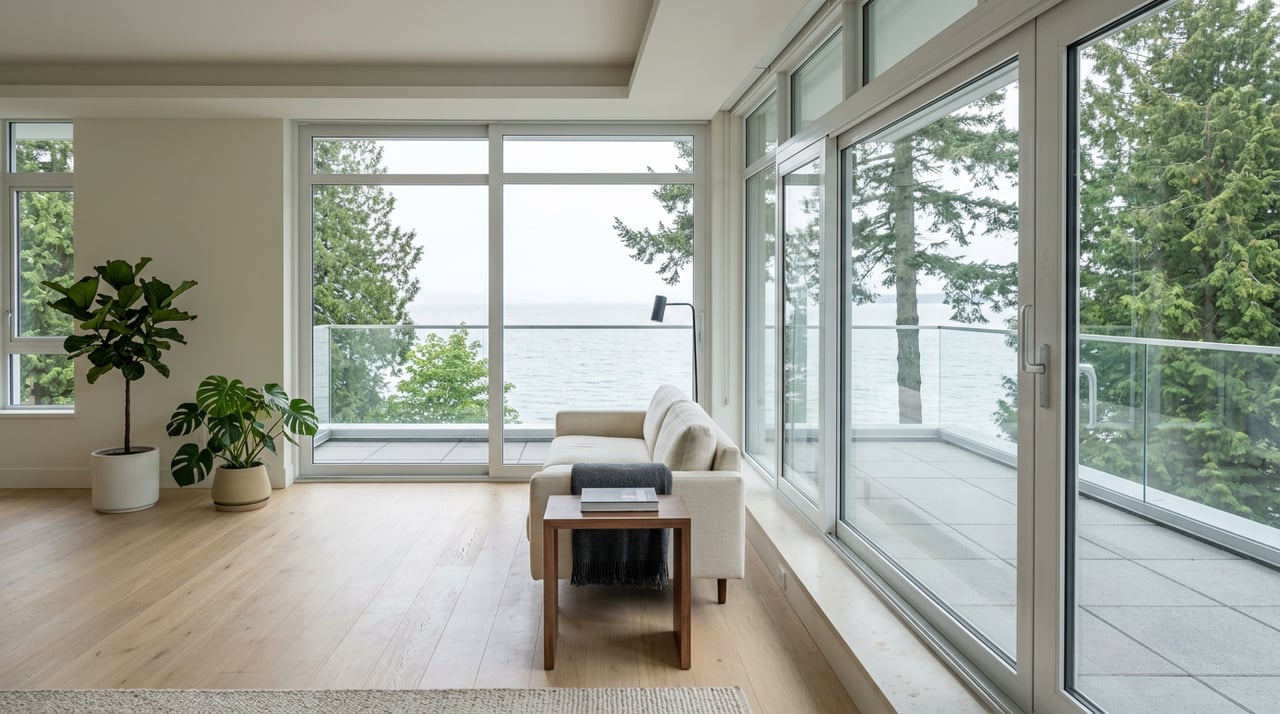
- Seattle waterfront condos center you near restaurants, arts, stadiums, and downtown jobs. You trade private yards for walkability, concierge service, and shared amenities like gyms and rooftops.
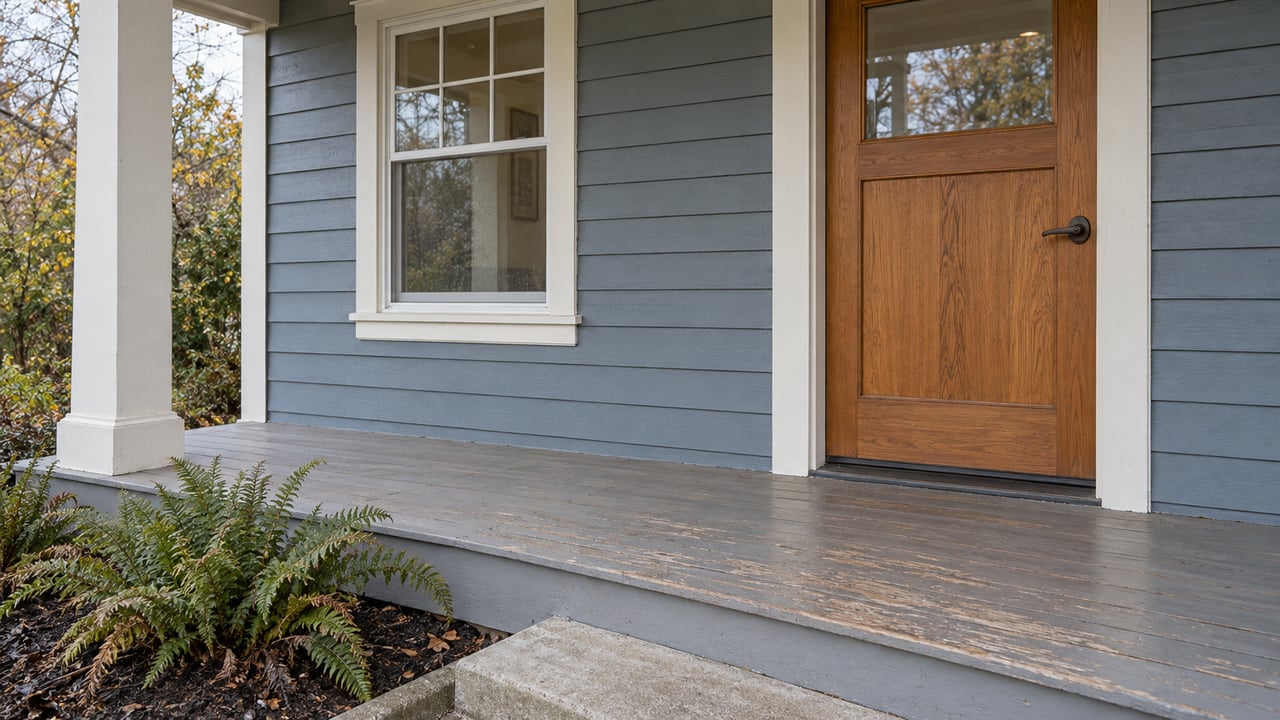
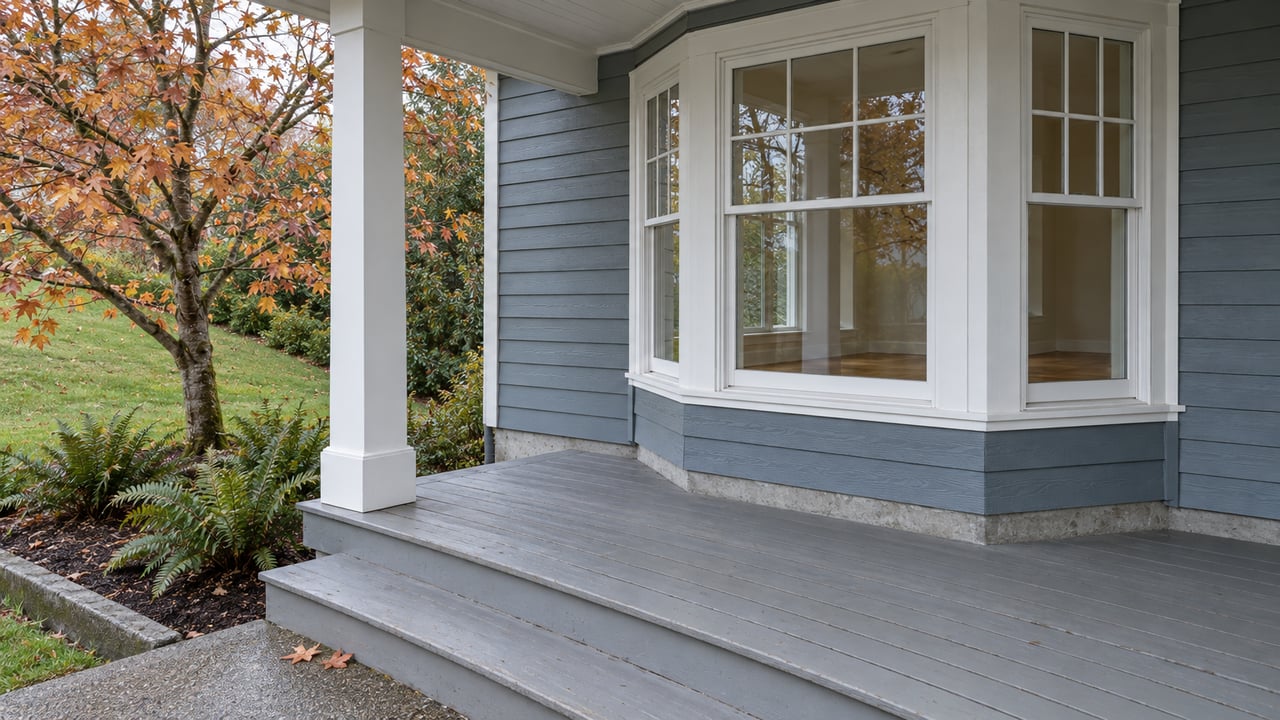
- South Sound view and waterfront homes offer larger interiors, yards, and often direct access to beaches or moorage. The pace is quieter, with strong boating and outdoor recreation.
Space, privacy, and amenities
- Condos typically deliver less square footage for the same budget but add convenience through building services and low exterior upkeep.
- Single-family view and waterfront homes in the South Sound generally provide more space, private outdoor living, and the option to host watercraft, with more owner maintenance.
Price and value snapshot
Price per square foot realities
- Many downtown and near-water Seattle condos often sell in the roughly 500 to 750 dollars per square foot band, with luxury towers above that depending on floor, view, and amenities.
- In the South Sound, desirable view and waterfront single-family homes commonly fall near 300 to 450 dollars per square foot, with total prices frequently seen around the upper hundreds of thousands to just under a million in sought-after areas. Building, parcel, and exact view orientation can shift values significantly.
View versus true waterfront premiums
- A water view typically adds a modest premium compared to similar interior properties in the same neighborhood.
- Direct waterfront with shoreline access and potential moorage can command a much larger premium. Environmental factors, shoreline condition, and permitting complexity influence value and future costs.
Ownership costs and monthly carry
HOA dues and condo considerations
- Downtown waterfront buildings often carry higher HOA dues because services can include building insurance, utilities, security, parking, and amenities. It is common to see four-figure monthly fees in full-service towers. Axios summarized statewide trends, and many downtown buildings exceed the state median due to services provided.
- Always review the HOA budget, reserve study, and recent meeting minutes for upcoming capital projects or special assessments. The Windermere condo market report outlines why reserve funding matters for resale and risk.
Insurance differences to price early
- Waterfront and low-lying homes may require flood insurance through NFIP or a private carrier. Premiums vary by elevation, flood zone, and structure. Start quotes during due diligence and confirm your property’s map status with local resources such as Pierce County’s flood FAQs.
- Earthquake coverage is a separate decision for both condos and houses. Ask your insurer about deductibles and exclusions tied to your building or parcel.
Maintenance and shoreline items
- Single-family waterfront parcels can face episodic expenses. Dock repairs might cost a few thousand dollars for minor work, while major piling or partial rebuilds can run much higher. Bulkhead or seawall replacement frequently reaches high five to six figures depending on length and permitting. See typical ranges on Angi’s dock repair resource.
- Condo associations may levy special assessments when shared structures like garages, exteriors, or seawalls need work. Your review of reserves and capital plans is essential.
Commute and access tradeoffs
Seattle proximity and transit
- If you work downtown most days, a Seattle waterfront condo keeps your door-to-desk time short. King County’s average commute is about the high 20 minutes, per U.S. Census QuickFacts. Condo living can trim this further if you walk or use light rail.
South Sound options and reliability
- Driving from Gig Harbor or Tacoma to downtown Seattle is typically 45 to 75 or more minutes at peak, affected by SR 16, the Narrows Bridge, and I-5 conditions. Even planned maintenance can change the picture, as shown in WSDOT Narrows Bridge advisories.
- The Sounder commuter rail offers Tacoma-to-Seattle trips on set schedules, which some buyers prefer for predictability. Check the Sounder timetable for times and frequency.
- Ferries are part of regional life. Crossings add fixed time plus terminal logistics. Planning tools like the WSDOT Gray Notebook’s ferry methodology explain timing and variability.
Hybrid work effects
- If you are in-office only a few days a week, the South Sound commute may feel manageable in exchange for more space and outdoor living. Daily downtown attendance tilts strongly toward a Seattle condo.
Boating, marinas, and moorage
- South Sound communities excel at boating access, from kayaks to larger vessels. Explore marinas, boat launches, and community resources through the Gig Harbor Chamber’s boating guide and confirm options near your preferred shoreline.
Climate and permitting you should consider
- Sea level rise and coastal flooding are long-term realities in Puget Sound. Use the NOAA Sea Level Rise Viewer to visualize potential scenarios for any shoreline property you are considering.
- Shoreline armoring, dock repairs, and bulkhead work often require permits and can be regulated under local Shoreline Master Programs. Review local guidance and reach out to county planning. In Pierce County, flood and shoreline topics begin with the flood FAQs and related planning pages.
How to choose: a quick framework
- Choose a Seattle waterfront condo if you want walkability, short commutes, strong building amenities, and minimal exterior upkeep, and you are comfortable with HOA dues and association rules.
- Choose a South Sound view or waterfront home if you want space, privacy, outdoor living, and boating access, and you are prepared for a longer commute and hands-on maintenance.
Due diligence checklists
For Seattle waterfront condo buyers
- Review HOA budget, audited financials, and the reserve study to gauge future assessments. The Windermere condo report highlights why reserves matter.
- Confirm master policy coverage, owner HO-6 needs, and any deductible obligations.
- Verify rental and short-term rental policies if income flexibility is important.
For South Sound view and waterfront buyers
- Confirm shoreline ownership, bulkhead condition, and documented permits for past work. Obtain engineering and contractor estimates for any needed repairs.
- Run a FEMA flood map check and seek quotes early. Start with Pierce County’s flood resources if shopping in that area.
- Validate moorage rights, marina availability, and any beach-club or community program details. The Gig Harbor Chamber’s boating page is a useful orientation tool.
For all buyers
- Compare your full monthly cost line by line: mortgage, HOA or maintenance reserve, property taxes, homeowners insurance, any flood or earthquake coverage, and utilities.
- Stress test your commute by modeling a typical departure and backup plan using the Sounder schedule and WSDOT travel and advisory updates.
Bottom line
Both paths deliver the magic of Puget Sound, just in different ways. If you crave culture and convenience, Seattle’s waterfront condos fit well. If you picture coffee on a private deck with room for guests and gear, South Sound view or waterfront homes shine. A focused search, clear cost comparison, and local guidance will help you land the right fit.
Ready to compare options and run the numbers for your shortlist? Connect with Lori DeVore for boutique, data-informed guidance grounded in deep South Sound and Seattle expertise.
FAQs
What are typical HOA dues for Seattle waterfront condos?
- Many full-service downtown buildings charge four-figure monthly dues, reflecting insurance, utilities, staff, parking, and amenities. Always review budgets and reserve studies.
How long is the commute from Gig Harbor or Tacoma to Seattle?
- Peak driving can range from about 45 to 75 or more minutes, influenced by SR 16, the Narrows Bridge, and I-5. The Sounder rail offers predictable alternatives on set schedules.
Do South Sound waterfront homes require flood insurance?
- Some do, especially in mapped flood zones or low-lying areas. Confirm with FEMA maps and price policies early. County resources help you verify parcel specifics.
What maintenance is unique to waterfront homes?
- Docks, pilings, and bulkheads may need periodic repair or replacement, which can be costly and permit dependent. Obtain inspections and contractor estimates during due diligence.
How does sea level rise affect shoreline property decisions?
- Use tools like NOAA’s Sea Level Rise Viewer to understand long-term exposure. Factor potential adaptation and permitting requirements into your purchase decision.