Thinking about selling your Tacoma waterfront home, but not sure where to start? You are not alone. Waterfront listings are special, and the right plan can make a real difference in your price and timeline. In this guide, you will learn how to prepare your shoreline property, set the right price, and market to serious waterfront buyers across Pierce County and beyond. Let’s dive in.
Why waterfront sells differently
Waterfront and view homes are scarce in Tacoma and Pierce County. That scarcity creates a premium when the property is presented well and the documentation is complete. Buyers are not just paying for square footage. They are paying for access, orientation, and the lifestyle the shoreline delivers.
What buyers value most
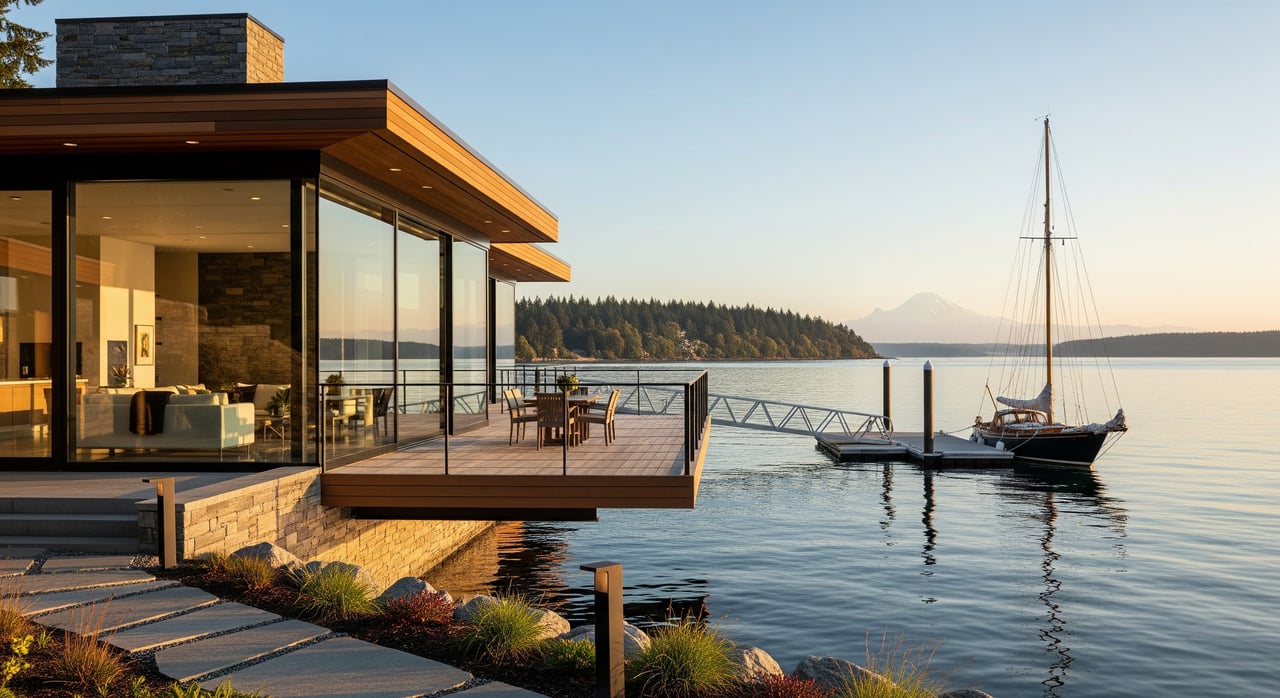
Usable waterfront is often more valuable than a view alone. Private moorage, a safe and maintained dock, gentle access to the beach, and west-facing sunsets can all influence buyer motivation. If your property sits on a bluff, clear access, safety features, and strong documentation can help buyers understand and appreciate your value.
Seasonality and demand channels
Waterfront buyers typically shop most actively in spring and summer when water access and light are on full display. Expect fewer total showings than inland homes, but more motivated and discerning visitors. Your marketing should reach niche audiences like boaters and luxury buyers, not just general home shoppers.
Where current numbers come from
Waterfront pricing depends on recent closed sales and micro-market trends. Local data from the NWMLS and the Tacoma-Pierce County Association of REALTORS help set the range. Because premiums vary by shoreline type, view, and dock condition, request a custom valuation rather than relying on inland price-per-square-foot benchmarks.
Get shoreline facts right early
The shoreline details on your parcel can be just as important as your kitchen and great room. Clarify ownership, rights, and constraints before you list, then package that information for buyers.
Tidelands and access rights
In Washington, owning uplands does not always mean you own the tidelands. The state manages many aquatic lands under the public trust doctrine. Confirm exactly what transfers with your property, then organize your title, survey, and any moorage agreements. For background, review the Washington State Dept. of Natural Resources aquatic lands guidance. For definitive answers, consult your title company or attorney.
Docks, bulkheads, and permits
Docks, piers, and bulkheads often require local, state, and sometimes federal approvals for work in or near the water. If you have done maintenance or repairs, gather permits and records. If buyers ask about future changes, point them to the local Shoreline Master Program and state and federal agencies, including the Washington Dept. of Fish & Wildlife HPA program and the U.S. Army Corps of Engineers Regulatory program. Clear documentation builds confidence.
Flood zones and insurance
Check FEMA flood maps to see if your home lies in a mapped flood zone, since that can affect insurance and financing. You can look up your designation through the FEMA Flood Map Service Center. Obtain current insurance quotes early and keep them handy for buyers.
Septic, drainage, and utilities
If your home uses a septic system, provide recent inspection and pump records. Clarify drainage conditions and any known shoreline runoff controls. Buyers and appraisers appreciate well-organized records, and strong documentation can shorten contingency timelines.
White-glove prep that wins buyers
Premium presentation helps buyers imagine life on the water. It also supports your price when appraisers and lenders review the file.
Staging for the shoreline
- Declutter windows, decks, and view corridors so the water remains the hero.
- Use a neutral, cohesive palette that feels warm yet understated.
- Scale furnishings to keep clear pathways to patios and docks.
- Stage lifestyle zones: the main view room, the primary suite, a deck for entertaining, and a clean, functional gear area for boating.
- Clean and secure dock surfaces, handrails, and lighting so access feels safe and inviting.
Premium media plan
- High-resolution photography with drone aerials to show shoreline context and moorage.
- Twilight images to highlight reflections, city or bridge lights, and evening ambiance.
- A cinematic property film and short social cutdowns to reach targeted audiences.
- An interactive 3D tour and measured floor plans so out-of-area buyers can explore remotely.
- A single-property website and brochure that includes key documents like septic records, permits, and surveys.
Strategic pricing for waterfront
Build your price from closed waterfront comps, then adjust for shoreline type, dock condition, view orientation, access, and improvements. Avoid overreliance on inland price-per-square-foot. Appraisals can be sensitive when comps are scarce, so assemble an appraisal support packet that includes permits, receipts, surveys, and recent water-specific comps.
Targeted marketing with global reach
Smart distribution gets your home in front of the right buyers, not just more buyers.
- NWMLS exposure supported by a dedicated property website and 3D tour.
- Targeted digital campaigns across Puget Sound, Seattle, Olympia, and select feeder markets.
- Direct outreach to boating and marine communities, yacht clubs, and waterfront-focused brokers.
- International syndication through a luxury network so Canadian and overseas prospects can discover your property.
- Concierge-level response for out-of-area and international inquiries with clear next steps for showings, inspections, and closing logistics.
A realistic timeline
Every shoreline property is unique, but a professional process keeps things predictable.
- Pre-listing prep: 1 to 4 weeks for inspections, document gathering, repairs, and staging.
- Media production: about 1 week for photo, drone, video, and 3D.
- Active marketing: 2 to 8 weeks typical for well-priced waterfront listings, depending on price point and season.
- Closing: standard Washington timelines, with extra time if dock or bulkhead issues require negotiation.
What to prepare now: a seller checklist
- Property documents: recent title report, survey, recorded easements, permits, and maintenance records.
- Waterfront file: dock and bulkhead inspections, repair receipts, photos, and any geotechnical reports.
- Systems: septic inspection and pump records if applicable, plus recent utility information.
- Insurance and flood: current quotes and your FEMA flood zone designation.
- Marketing assets: ready access to premium photos, 3D tour, floor plans, and a clear property narrative that explains rights, access, and any limitations.
- Pricing and negotiation: comparable waterfront sales, improvement receipts, and a plan for appraisal and contingency terms.
How we measure success
You should expect clarity, not guesswork. A professional listing process tracks what matters and uses data to adjust strategy.
- Days on market and sale-to-list price ratio.
- Number of showings, offers, and share of cash versus financed buyers.
- Media engagement: website visits, 3D tour views, and video plays with geographic insights.
- Lead sources from portals, email, and social so you see where demand is coming from.
- Appraisal outcomes and how documentation supported value.
Common negotiation issues to anticipate
- Appraisal alignment when water-specific amenities drive price.
- Dock and bulkhead inspection findings and whether repairs or credits make sense.
- Flood and insurance questions from lenders and buyers.
- Access and easements that require clear explanation and supporting documents.
Your next step
If you want a premium result, start with documentation and presentation, then distribute your story to qualified waterfront buyers near and far. When you are ready, request a custom valuation and a white-glove plan tailored to your shoreline, view, and moorage. Connect with Lori DeVore to get started.
FAQs
How should I price a Tacoma waterfront home today?
- Use closed waterfront comps from the NWMLS, then adjust for shoreline type, dock condition, view orientation, and access. A custom valuation reflects these nuances.
What documents do buyers expect for a Pierce County shoreline property?
- Title and survey, permits and maintenance for docks and bulkheads, septic records if applicable, FEMA flood zone info, and any geotechnical or shoreline reports.
Do I need permits to repair or modify my dock before selling?
- Many in-water activities require a Hydraulic Project Approval from the Washington Dept. of Fish & Wildlife and may involve the U.S. Army Corps of Engineers; verify before starting work.
How do flood zones affect buyers and financing in Tacoma?
- Mapped flood zones can impact insurance costs and some loan programs. Check the FEMA Flood Map Service Center and obtain current insurance quotes early.
What staging makes the biggest impact for waterfront listings?
- Clear sightlines to the water, scaled furnishings, staged indoor-outdoor flow, and a clean, safe dock area help buyers feel the lifestyle and support your price.
When is the best season to list a Tacoma waterfront home?
- Spring and summer typically bring stronger showing activity for waterfront homes, though a well-prepared listing can perform in any season with the right strategy.