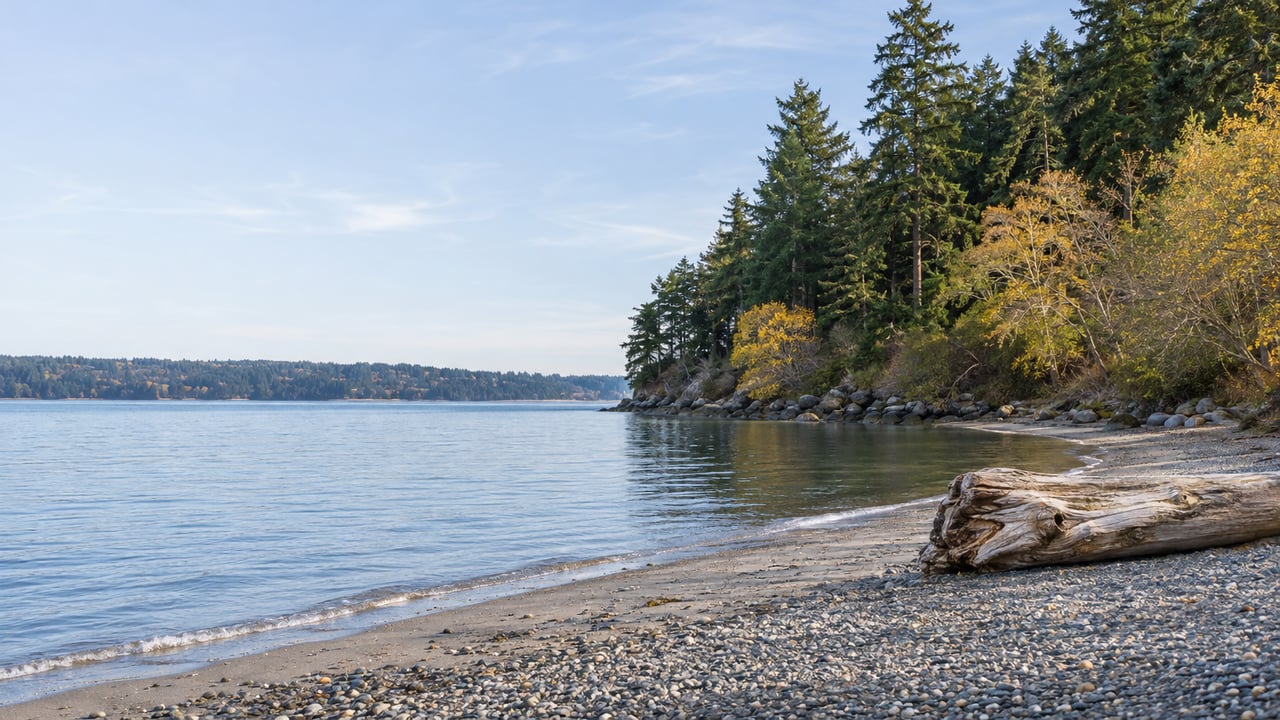
Thinking about selling your American Lake waterfront home? Preparing the shoreline, dock, and home presentation the right way can unlock real value and prevent costly delays. Buyers pay premiums for clear water views and usable access, and appraisers look for strong documentation to support those premiums. In this guide, you will learn exactly how to prepare your property within Lakewood’s shoreline rules, what to fix first, the permits to plan for, and a timeline that keeps you in control. Let’s dive in.
Know the shoreline rules first
American Lake is subject to Lakewood’s Shoreline Master Program, and the city treats it as a shoreline of statewide significance. That means docks, bulkheads, and vegetation changes are regulated, and many activities need permits or review. Start by confirming how your parcel is regulated and whether any prior work was permitted. You can reference the city’s shoreline framework that recognizes American Lake as a shoreline of statewide significance to understand why early due diligence matters.
Work in or over the water often requires a Hydraulic Project Approval from Washington Department of Fish and Wildlife. For common maintenance and smaller projects, you may qualify for WDFW’s simplified HPA process, which is designed to be faster when the application is complete. Plan for an HPA processing window that is commonly around 45 days once your submittal is complete, and do not start waterward work until approvals are issued.
Your shoreline jurisdiction is tied to the Ordinary High Water Mark. Knowing where the OHWM sits on your lot helps you avoid unintended violations and informs setbacks, buffers, and what counts as overwater. If you are unsure, talk with your contractor and confirm with city staff before you trim or remove vegetation.
- Lakewood SMP context: American Lake as shoreline of statewide significance (see city code)
- HPA overview: most overwater or in-water work needs state approval
- OHWM basics: where shoreline jurisdiction begins and ends
American Lake’s shoreline significance is recognized in Lakewood’s code. Learn more about WDFW’s HPA requirements and the simplified HPA process for common repairs. For OHWM guidance, see Washington Department of Ecology’s overview.
Assess dock and shoreline condition
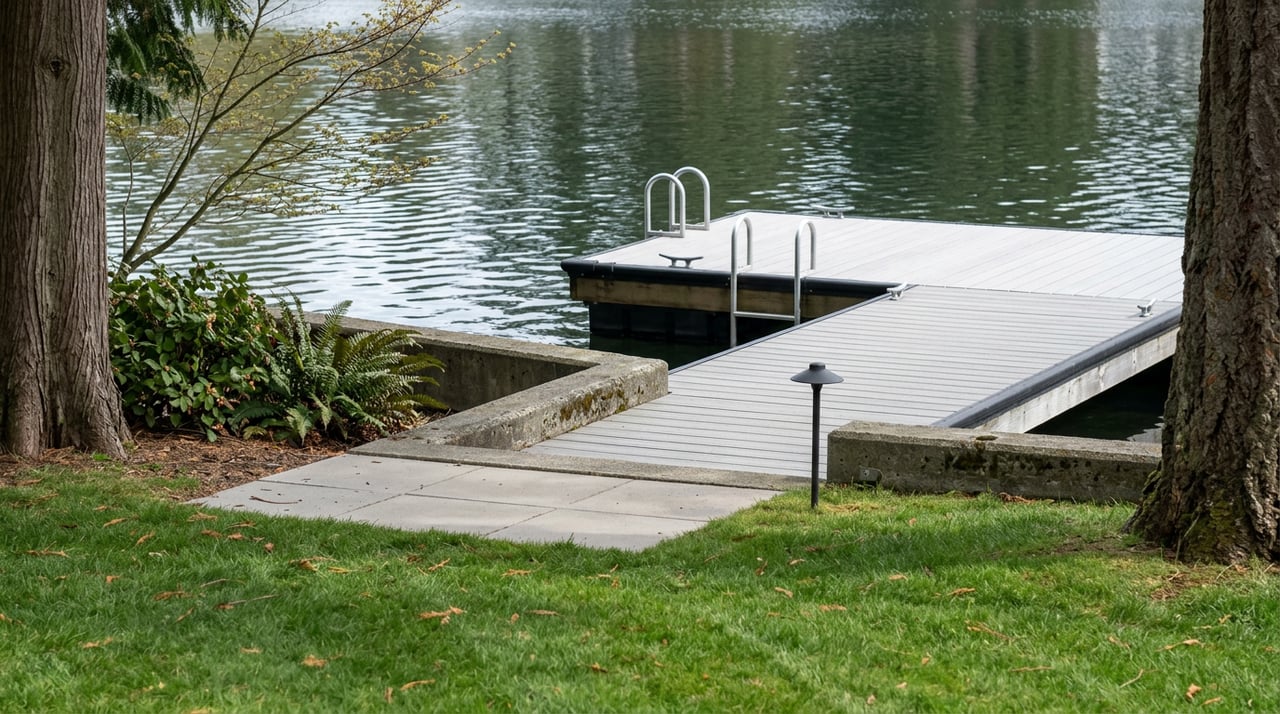
Your dock, boat lift, stairs, and bulkhead are front and center for buyers and appraisers. Start with a licensed marine contractor or structural engineer who can inspect, provide a short condition letter, and document remaining useful life. If issues exist, decide whether to repair before listing or offer a credit. Lenders and buyers often require safety items to be addressed, so early clarity helps you negotiate from strength.
If you plan repairs, confirm permits right away. Maintenance may qualify for a simplified HPA, while replacements or major modifications usually require a standard HPA. In Lakewood, overwater structure size and replacement standards are defined in the shoreline program, and major changes can trigger broader review. The goal is a safe, permitted shoreline that reads as a lifestyle asset, not a deferred-maintenance project.
- Inspect: dock, pilings, lift, bulkhead, stairs, and access path
- Document: photos, contractor letter, and any existing permits
- Decide: pre-list repairs versus sale credits, based on ROI and timeline
You can review Lakewood’s shoreline program context for overwater structures and check WDFW’s HPA compliance guidance to align your plans.
Handle septic and utilities early
If your property uses a septic system, Pierce County requires a Report of System Status before transfer. You will coordinate pumping and a certified operations and maintenance inspection, then submit the RSS application. Once complete, the Tacoma-Pierce County Health Department aims to review within about 10 business days. File early so you can include the report in your disclosure package.
- Schedule pumping and O&M inspection
- Submit the RSS application and keep receipts
- Include the final RSS in your listing documents
Start here: Pierce County’s Report of System Status requirements.
Stage for the view and lifestyle
Buyers pay most attention to view quality and direct access. Academic appraisal research shows that large, unobstructed views and true water access can command significantly higher premiums than view-only lots. Your job is to make the view read as wide and effortless from the main living spaces and deck.
Staging helps. National data indicates that staging often reduces days on market, and many agents report a 1 to 5 percent uplift in offers for staged homes. Focus your staging on rooms that frame the water, including the living room, kitchen, and the primary suite, and create an inviting outdoor seating zone. Then capture it with professional photography and a few well-planned aerial images.
- Elevate sightlines: trim small understory selectively, avoid major vegetation removal without SMP guidance
- Stage the key rooms and outdoor living areas
- Invest in high-caliber photography and drone imagery
Explore the appraisal research on water view premiums and NAR’s survey on staging benefits.
Build a pre-list timeline
Every shoreline parcel is unique, but this template keeps you on track.
Weeks 0–1: Plan and inspect
- Gather title, recorded easements, and prior permits for the dock, lift, and bulkhead
- Order a pre-list home inspection and a marine contractor inspection
- If on septic, schedule pumping and O&M, then file the RSS application with TPCHD
Reference: Pierce County RSS program and timing.
Weeks 1–3: Quotes and staging
- Secure quotes for shoreline repairs and any high-ROI interior updates
- Hire a professional stager and book photography and drone sessions
- Complete light exterior cleanup that improves the view without triggering permits
Weeks 3–6: Permits and prep
- Submit HPA applications for dock or bulkhead work as needed, using the simplified HPA route when eligible
- For larger shoreline changes, expect local shoreline review and a longer window
- Finalize repair decisions based on contractor schedules and likely market impact
Weeks 6–10: Finish and list
- Complete priority repairs that affect safety and marketability
- Stage, photograph, and launch with a disclosure packet that includes RSS, permits, contractor letters, and any surveys or as-builts
Assemble documents and vendors
Buyers and appraisers move faster when you provide a complete, clear file. Gather these items early.
- Recorded plat or survey, plus any as-builts showing the shoreline improvements
- Dock, lift, and bulkhead permits and final inspections, if available
- Septic RSS, pump receipt, and O&M report when applicable
- Any elevation certificate or flood map extract you already have
- A concise repairs list and contractor letters on shoreline conditions
For septic contacts and submittals, see TPCHD applications and forms. For shoreline context and design limits, keep Lakewood’s shoreline program materials handy.
Elevate your marketing narrative
Waterfront buyers shop the story as much as the specs. Lead with the features that drive value: unobstructed views, sun exposure, usable frontage, permitted moorage, safe access, and a lifestyle-focused outdoor area. Pair that with professional staging and photography that centers the water. The right narrative helps buyers and appraisers understand what justifies your price.
Ready to take the next step on timing, staging, and pricing strategy tailored to American Lake? Reach out to Lori DeVore for a complimentary consultation and a custom pre-list plan.
FAQs
Do I need permits to repair or replace a dock on American Lake?
- Most in-water or overwater work requires a state Hydraulic Project Approval, and Lakewood’s shoreline rules apply as well; plan for an HPA processing window commonly around 45 days once your application is complete and do not start work until permits are issued.
What is Pierce County’s Report of System Status for septic sellers?
- The RSS is a required septic compliance review before transfer; you schedule pumping and a certified inspection, then submit the application, and TPCHD aims to review complete applications within about 10 business days.
How much does staging help for waterfront listings?
- National survey data shows staging often shortens days on market, and many agents report a 1 to 5 percent uplift in offers, especially when staging highlights rooms that frame the water and the outdoor living areas.
Can I clear shoreline vegetation to open the view before listing?
- Trim small understory with care, but do not remove significant vegetation or alter buffers without checking Lakewood’s shoreline rules and understanding the Ordinary High Water Mark, since permits or mitigation may be required.
What documents help an appraiser value my lakefront home?
- Provide dock and bulkhead permits, any surveys or as-builts showing frontage, the septic RSS if applicable, contractor letters on shoreline condition, and recent comparable waterfront sales to support view and access premiums.
How long should I plan for bulkhead replacement or major shoreline work?
- Larger shoreline projects often require extended local review and can take several months from design through permits and contractor scheduling, so consult Lakewood planning and your contractor early to set realistic timelines.