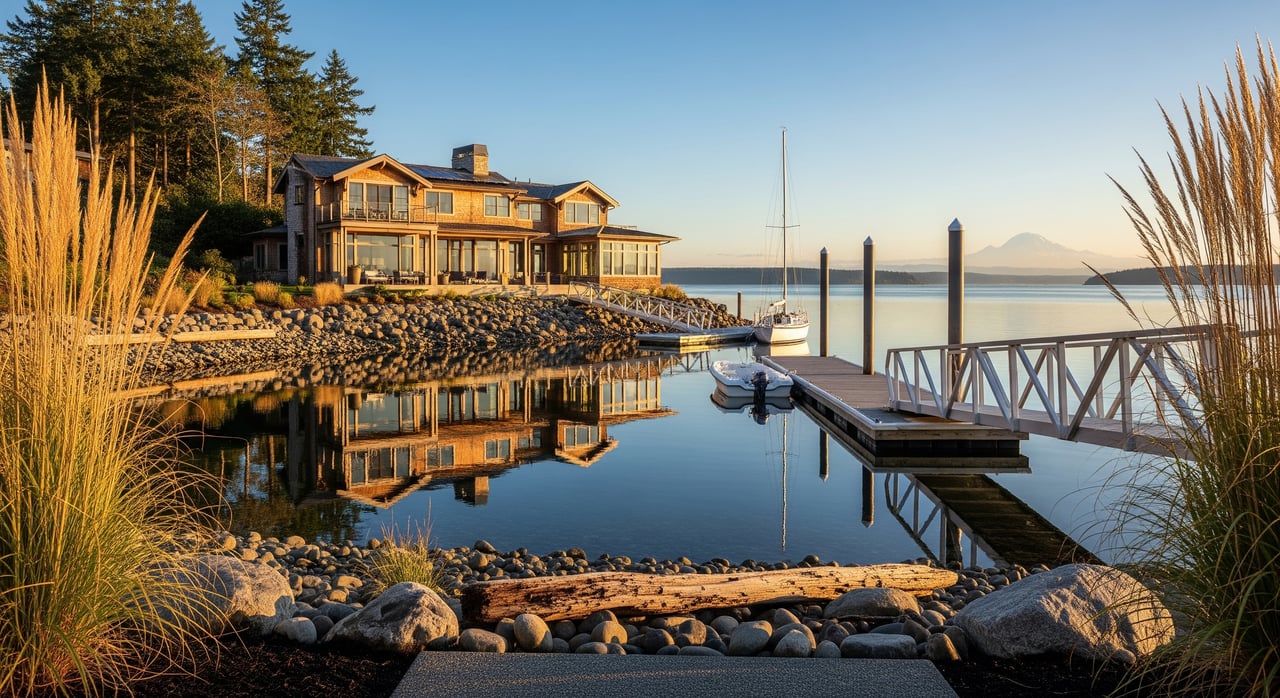
Dreaming about coffee on your own dock, sea air in your lungs, and boat days that start at your back door? Buying a waterfront home in Gig Harbor can deliver that lifestyle, but it also comes with unique rules, tides, and maintenance that inland buyers never see. If you know what to look for, you can enjoy the views with fewer surprises. This guide walks you through the essentials so you can shop with confidence and act quickly when the right property hits the market. Let’s dive in.
Gig Harbor waterfront at a glance
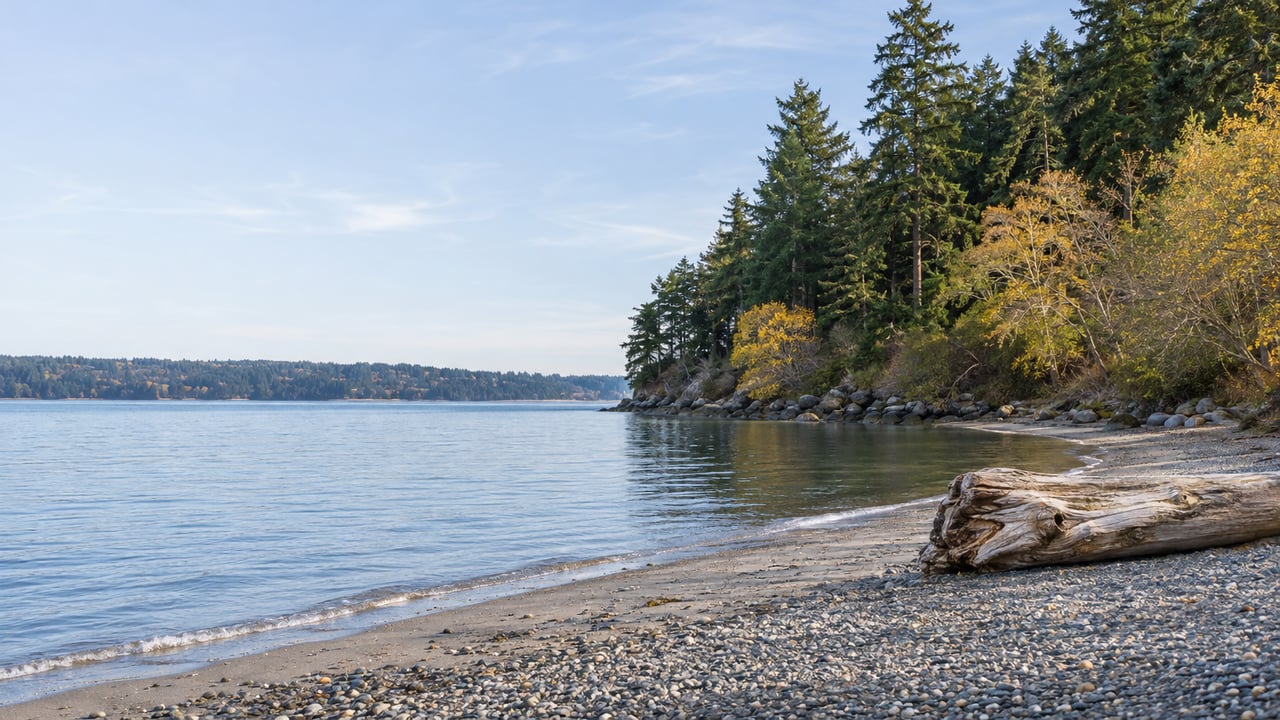
Gig Harbor sits on a protected inlet of Puget Sound. You get saltwater living with semidiurnal tides that rise and fall twice daily. Those tides shape how you use your beach and any moorage, so you will want to check site-specific tide predictions with NOAA Tides & Currents.
Some parcels are inside the City of Gig Harbor, while others are in unincorporated Pierce County. That detail affects setbacks, shoreline permits, and sometimes sewer access. Always confirm whether a property is in the city or the county early in your search.
Common property types
- Bluff-top homes with stairs or trams to the beach
- Low-bank homes with direct beach access and possible private tidelands
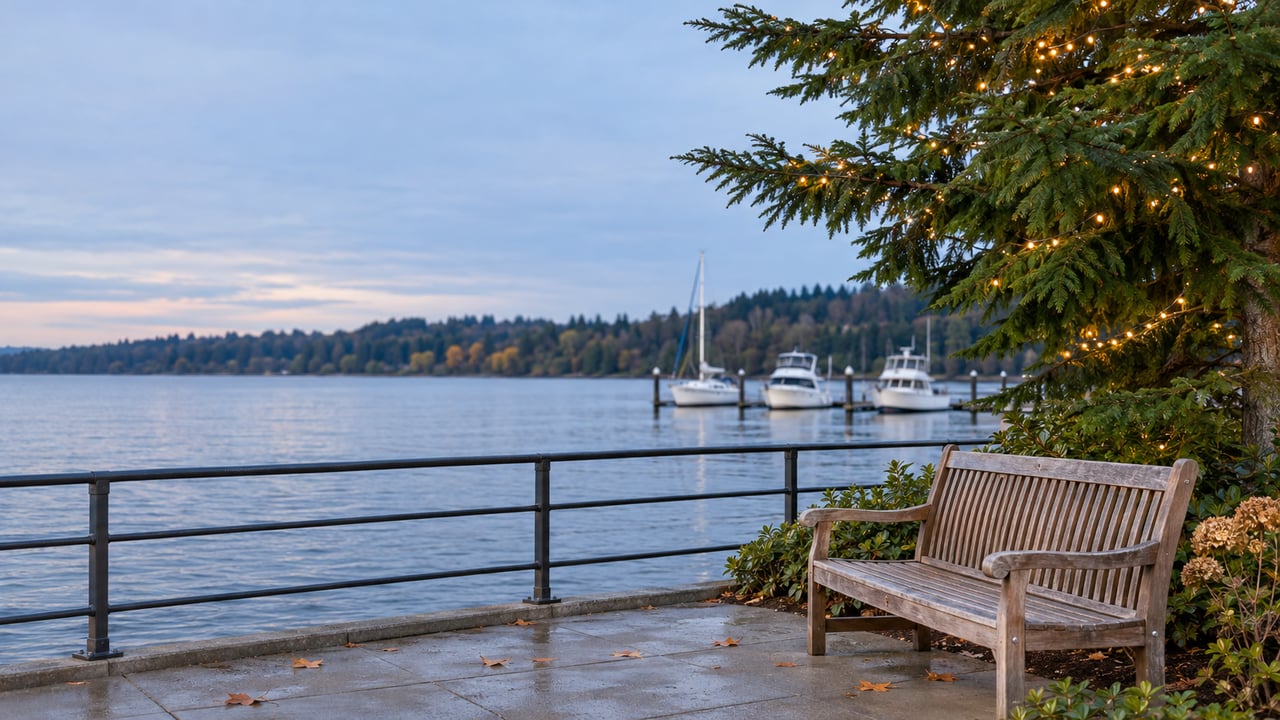
- Homes with existing docks or older pilings
- Homes near marinas or community docks
- Parcels with water frontage separated by a right-of-way or easement
Jurisdiction, title, and permits
In Washington, the land below the ordinary high water line is generally held in public trust and managed by the state. Who owns what portion of the beach can depend on historic grants and recorded deeds. A careful title review is essential, and resources from the Washington Department of Natural Resources can help you understand aquatic lands and tideland issues.
Both the City of Gig Harbor and Pierce County follow local Shoreline Master Programs that implement state policy. These programs regulate docks, bulkheads, stairways, and how close you can build to the water. Review the applicable program and talk with planning staff at the City of Gig Harbor or Pierce County early. The Washington Department of Ecology provides statewide shoreline guidance and sea level rise planning that local jurisdictions use.
Dock and moorage rights
Moorage is not automatic just because a home sits on the water. Rights can be limited by covenants, local rules, or the absence of recorded easements. Confirm any moorage easements, community dock agreements, and HOA rules in the title report before you commit.
When projects need permits
If you plan shore work or dock changes, expect permits. Work that affects the bed or banks of state waters often requires a Hydraulic Project Approval from the Washington Department of Fish and Wildlife. Larger or in-water projects may also need permits from the U.S. Army Corps of Engineers, Seattle District. Local Shoreline Master Programs increasingly limit new hard armoring like concrete bulkheads, and replacements often require mitigation. Start the conversation with city or county planning staff before you design anything.
Tides, depth, and boat usability
The joy of waterfront living is getting out on the water. To make that easy, you need adequate depth at low tide for your boat’s draft and your dock style. Use site-specific tide data from NOAA Tides & Currents and note the mean lower low water level. Floating docks ride with the tide, while fixed-pile docks do not, so performance differs by location. Ask about seasonal sedimentation and local wave exposure when you tour.
On-site conditions to evaluate
Waterfront charm comes with coastal processes that change over time. Look closely at how the site handles wind, waves, and slope.
- Shore type and armoring. Hard bulkheads can impact beach habitat and may shift erosion to neighbors. Check for cracks, undermining, and toe erosion. Replacement can be complex and may require mitigation.
- Bluff stability. Steeper waterfront parcels may face slope movement and retreat. A geotechnical review is important if you see bluffs, seepage, leaning trees, or stair settling.
- Sensitive habitat. Eelgrass, kelp, and forage fish areas can shape what you can build and when you can work in the water. The Washington Department of Fish and Wildlife and the Puget Sound Partnership provide useful habitat context that planners consider.
- Sea level rise. Local planning relies on state guidance that shows continued sea level rise through 2100. The Department of Ecology publishes scenarios that help you plan setbacks and long-term resilience.
- Utilities and septic. Some county parcels use septic. Confirm the system type, age, location, and maintenance history through Pierce County Health. In-city homes may have sewer access. Check connection status and any requirement to connect.
- Access and safety. Steep paths, narrow stairs, or rights-of-way across the shore can limit use. Verify parking and emergency access.
- Corrosion and materials. Salt air accelerates wear on metal fasteners, dock hardware, and HVAC units. Budget for regular maintenance and faster replacement cycles.
- Floodplain. Review FEMA flood maps to see if a property sits in a higher-risk zone. Your lender may require flood insurance. Start with the FEMA Map Service Center.
Inspections and due diligence checklist
Focus your offer around targeted contingencies that match waterfront risks. Here is a practical checklist to use with your team.
Title and recorded documents
- Confirm jurisdiction: city or county
- Review title for moorage easements, tideland grants, public access easements, and shoreline permits or violations
- Identify the ordinary high water line in the legal description
Specialized inspections and surveys
- Whole-home inspection with extra attention to moisture and corrosion
- Marine or structural dock survey to review pilings, connections, float condition, and load capacity
- Geotechnical evaluation for bluff stability and setback guidance
- Bulkhead assessment for undermining or failure
- Environmental constraints screening for eelgrass, kelp, wetlands, or forage fish habitat
- Septic inspection and records check where applicable
- Flood elevation certificate or survey for insurance rating
Permitting reconnaissance
- Request prior shoreline permits, dock plans, and as-built drawings
- Verify whether past armoring or fill came with mitigation that still applies
Insurance considerations
- Confirm flood insurance requirements and rough timelines for underwriting
- Ask how the policy treats docks, pilings, and floating structures
- Clarify endorsements for wind or wave damage if needed
Questions for the seller or HOA
- Age and maintenance history for the dock, pilings, bulkhead, septic, and seawall
- Any known shoreline violations or enforcement
- Erosion or slope stabilization history on the property or adjacent parcels
- Moorage agreements, community dock rules, and shared maintenance costs
Step-by-step buying roadmap
A clear plan keeps you on schedule and protects your leverage during negotiations. Use this step-by-step approach from first look to launch day on your dock.
Step 1 — Preliminary research
Spend a few days confirming jurisdiction and reviewing assessor maps and plats. Check FEMA flood maps and local tide data for the specific address. This gives you an early read on insurance needs, usable depth at low tide, and whether a bluff or bulkhead may trigger permits later.
Step 2 — Engage local specialists
Before or at the offer stage, assemble your waterfront team. That usually includes an agent experienced in Gig Harbor waterfront, a surveyor, and a land-use planner or attorney who knows local Shoreline Master Programs. Early expert input can save months by avoiding unpermittable ideas.
Step 3 — Write a targeted offer
Protect yourself with contingencies that match the property. Include title review for moorage rights, a marine or dock survey, and a geotechnical review when you see slopes. If you are planning a dock addition or major shore work, include a permit feasibility contingency that allows time to consult with city or county planners and state fish and wildlife staff.
Step 4 — Post-inspection diligence
Expect 30 to 90 days depending on the scope. Complete specialized inspections, confirm septic health where relevant, and meet with planners to understand required permits. Larger shoreline projects may also involve the U.S. Army Corps of Engineers and the Washington Department of Fish and Wildlife. Plan for seasonal in-water work windows that can limit construction timing.
Step 5 — Closing and first-year plan
Record any needed easements for moorage or access. If you plan immediate shoreline work, apply for permits right away, since reviews can take months. Set an annual budget and calendar for dock inspections, bulkhead checks, and system maintenance to keep your waterfront investment in top shape.
Local resources to bookmark
- City of Gig Harbor planning and shoreline permits: City of Gig Harbor
- County planning, assessor, and health: Pierce County
- Shoreline policy and sea level planning: WA Department of Ecology
- Tides and nautical charts: NOAA Tides & Currents
- Habitat and HPA permits: Washington Department of Fish and Wildlife
- Aquatic lands and tidelands: WA Department of Natural Resources
- Flood maps: FEMA Map Service Center
Make your search local
Waterfront value in Gig Harbor is driven by details that do not show up in a quick online search. Tides, depth at low water, dock condition, armoring, and the specific Shoreline Master Program all shape how you can use the property. When you align the right home with your boating goals and understand the permits before you buy, you set yourself up for easier ownership and more time on the water.
If you are ready to compare neighborhoods, docks, and moorage options, reach out for trusted, high-touch guidance. Connect with Lori DeVore for boutique, waterfront-savvy representation backed by a global marketing platform.
FAQs
What makes Gig Harbor waterfront different from lakefront?
- Gig Harbor homes sit on tidal saltwater, which means changing depth, in-water work windows, and shoreline permits that differ from lake regulations.
Do you own the beach down to the water in Washington?
- Generally the land below the ordinary high water line is held in public trust by the state, so ownership and rights depend on historic grants and recorded deeds.
Can you add a new dock in Gig Harbor?
- Possibly, but it depends on the local Shoreline Master Program, habitat constraints, and permits from city or county, WDFW, and sometimes the U.S. Army Corps of Engineers.
How do tides affect daily dock use?
- Usable depth at low tide determines whether your boat can stay moored year-round; check site-specific data with NOAA and consider your boat’s draft.
What inspections are unique to waterfront homes?
- Add a marine or dock survey, a geotechnical review for bluffs, a bulkhead assessment, and flood and septic evaluations to the standard home inspection.
How long do shoreline permits take?
- Timelines vary by project scope and agency review; substantial development permits and federal or state approvals can extend over several months.