Thinking about selling your Gig Harbor home and wondering when timing really matters? You’re not alone. In a shoreline community with a mix of inland homes and high-value waterfront and view properties, seasonality can shape exposure, showings, and results. In this guide, you’ll learn the best windows to list, how buyer behavior shifts month by month, and how to prepare so you capture peak demand, especially for waterfront homes. Let’s dive in.
What the data says about timing in Gig Harbor
Regional market research shows a clear seasonal rhythm. Buyer activity and listing success generally peak in spring, especially April through June, when search traffic and showings rise and many buyers plan moves for summer. A secondary window often appears in late August through September, which can work well if you missed spring or if inventory tightens.
Gig Harbor follows these patterns, with one twist. Waterfront and strong-view listings benefit most from warmer, longer days, which make outdoor living and views easier to showcase. That means spring and summer often create the best environment to attract a wider buyer pool, including out-of-area visitors.
Why spring delivers the most exposure
- More buyers are actively searching and touring in April through June.
- Homes often see stronger offer activity and better list-to-sale price performance than in winter months.
- Longer daylight improves photography and the feel of in-person showings.
The late summer to early fall second window
- Late August and September bring a motivated group of buyers who delayed spring searches.
- Weather still supports showings and outdoor staging, especially for view properties.
- If spring inventory was crowded, this window may offer less competition.
Special guidance for waterfront and view homes
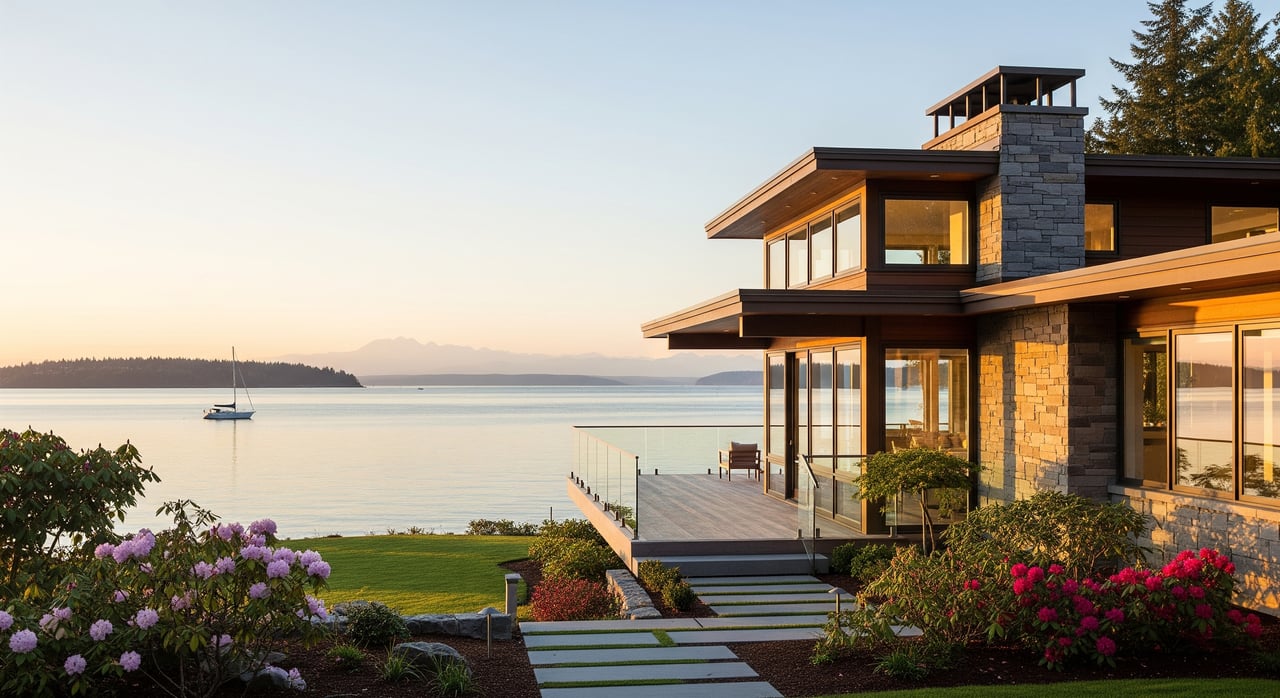
Waterfront and strong-view properties in Gig Harbor tend to command premiums and attract a broader set of buyers. Demand concentrates when weather is pleasant and days run long, typically April through August.
- Plan to list when views and outdoor spaces can shine. Twilight and clear-day photos can help.
- Expect more out-of-area visitors in summer, so build flexibility into showing schedules.
- Get documentation in order early. Waterfronts can involve seawalls, shoreline permits, vegetative buffers, and maintenance records. Having inspections and paperwork ready reduces friction and supports buyer confidence.
Month-by-month game plan
January to February
- Market conditions: Lower buyer traffic overall, with serious and relocation-driven shoppers.
- Presentation focus: Bright, cozy interiors; highlight heating, windows, and recent maintenance. Keep curb appeal tidy and winter-ready.
- Marketing tips: If you list now, price strategically and emphasize commuter access to employment centers and SeaTac. Consider a pre-listing inspection to reduce hesitation.
March
- Market conditions: Activity starts building, and early spring listings set the pipeline.
- Presentation focus: Begin exterior cleanup and light landscaping. Schedule photography for late March or early April to capture stronger daylight.
- Marketing tips: A light “coming soon” push can capture early interest and set up a strong launch.
April to June (prime window)
- Market conditions: Highest buyer traffic and strongest potential for multiple-offer scenarios in many years.
- Presentation focus: Maximize curb appeal with landscaping and touchups. Stage decks, patios, and any waterfront access. Capture daytime and twilight photography.
- Marketing tips: Use full marketing firepower, including drone for view lines, floor plans, and targeted digital exposure. Provide clear, factual information on school boundaries and summer move-in logistics for planning-minded buyers.
July to August
- Market conditions: Continued interest, though some buyers travel. Excellent for waterfront showings.
- Presentation focus: Keep gardens, docks, and outdoor areas show-ready and safe.
- Marketing tips: Highlight summer recreation and local events. Offer flexible showing times to accommodate travel schedules.
September to early October
- Market conditions: A reliable secondary uptick with motivated buyers.
- Presentation focus: Refresh plantings, clean gutters, and add light fall accents indoors for warm, bright rooms.
- Marketing tips: Position your home as a timely opportunity before late fall slowdowns.
Late October to December
- Market conditions: Slower traffic, but serious buyers are active. Inventory competition can be lighter.
- Presentation focus: Emphasize comfort features, energy efficiency, and maintenance records.
- Marketing tips: Tailor pricing and marketing for relocating professionals and year-end movers. Keep holiday décor tasteful and minimal.
How to prepare: A pre-list timeline
Planning ahead lets you launch into the strongest window with a polished property and full documentation. Here’s a simple timeline you can adapt.
3 to 6 months before listing
- Consult an agent for a pre-list analysis and comps.
- Order a pre-listing inspection. For waterfronts, include seawall and shoreline considerations.
- Address major repairs and visible maintenance.
- Gather any prior permits, surveys, and shoreline records.
- Begin landscaping plans for spring curb appeal.
1 to 2 months before listing
- Complete repairs and gather receipts, warranties, and inspection reports.
- Engage a professional stager if desired. Start decluttering and neutralizing décor.
- Book photography and floor plans for the best seasonal light.
- Organize HOA docs, permits, utility info, and past reports for buyer review.
1 to 2 weeks before listing
- Deep clean, finalize staging, and refresh exterior touchups.
- Capture twilight photos if views or water are key features.
- Confirm pricing and the marketing plan, including open houses and digital campaigns.
- Prepare clear showing instructions and pet plans.
Launch and first two weeks
- Time showings for optimal light to highlight views and outdoor spaces.
- Push marketing across MLS, broker networks, social channels, and email to agents.
- Monitor feedback and adjust quickly if needed.
Factors that can override seasonality
Seasonality is a helpful guide, not a guarantee. Mortgage rates, local inventory, and broader economic news can amplify or mute normal patterns. In very strong seller markets, buyer demand can remain steady outside peak months. In slower cycles, even spring might not deliver higher prices without strong presentation and strategy.
For high-end waterfronts, a small number of listings can skew statistics in a small market like Gig Harbor. That is why localized comps, on-the-ground agent insight, and thoughtful pricing matter as much as the calendar.
Weather and photography also play a role. If you must list in winter, consider re-shooting exteriors in spring. Clear documentation on shoreline and permitting can shorten negotiations and increase buyer confidence in any season.
What to ask your agent before you pick a date
- Month-by-month Gig Harbor metrics for the last 12 to 36 months: median sale price, closed sales, active inventory, days on market, and list-to-sale price ratio.
- Recent comparable sales from the last 3 to 6 months, noting which had water or view advantages.
- Count of waterfront and view sales in the last year and their median time on market.
- Buyer profile insights if available, such as local versus out-of-area and cash versus financed.
- A recommended timing and staging plan, including a timeline and cost-benefit notes.
Putting it all together
If you can choose your moment, aim for April to June for maximum exposure in Gig Harbor. If that window is not ideal, late August to September is a strong backup, especially for view homes. Waterfront and luxury properties often benefit most from spring and summer when outdoor living and light help buyers connect emotionally and justify premium pricing.
You do not have to navigate timing, prep, and marketing alone. If you want a tailored plan and a white-glove launch designed for Gig Harbor reach out to Lori DeVore for a complimentary home valuation and a custom timeline.
FAQs
When is the best month to sell a home in Gig Harbor?
- Spring, especially April to June, typically delivers the most buyer activity, with a secondary window in late August to September.
Is winter a bad time to sell in Gig Harbor?
- Not necessarily. Winter brings fewer buyers but also less competition. With realistic pricing and polished presentation, serious buyers still act.
What is different about selling a waterfront home in Gig Harbor?
- Waterfronts benefit most from spring and summer light, outdoor staging, and seasonal buyer travel. Prepare shoreline documents and inspections early.
How far in advance should I prepare to sell?
- Start 3 to 6 months out for inspections, repairs, and landscaping, then complete staging and photos 1 to 2 months before listing.
Should I wait for mortgage rates to drop before listing?
- Rates matter, but seasonality, inventory, and property readiness can be just as important. Ask for current local metrics to balance timing and strategy.